Choosing a Cryptocurrency Wallet for Solana: A Complete Guide with Pros and Cons
Introduction
Solana (SOL) cryptocurrency has gained wide popularity due to its high transaction processing speed and scalability. However, to safely store and manage Solana, it's important to choose the right cryptocurrency wallet. In this article, we will look at different types of wallets for Solana, their pros and cons, and provide practical tips to help you choose the best option.
1. Types of Cryptocurrency Wallets for Solana
Before diving into the details, let's outline the main types of wallets for cryptocurrencies, including Solana. Each of them has its own features, which can influence your choice depending on your needs.
- Hardware wallets: physical devices designed for offline cryptocurrency storage.
- Software wallets: mobile and desktop applications that provide convenient access to funds.
- Browser wallets: browser extensions that allow you to work with cryptocurrencies over the internet.
- Exchange wallets: built-in wallets on cryptocurrency exchanges, suitable for short-term storage.
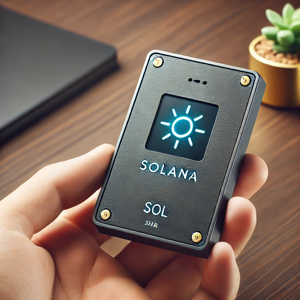
2. Hardware Wallets for Solana
Hardware wallets are considered the most secure option for storing cryptocurrencies as they are protected from online threats. Let's take a closer look at them.
Pros:
- High level of security due to offline storage.
- Protection against viruses and phishing attacks.
- Multi-level authentication (e.g., Ledger and Trezor offer PIN codes and transaction confirmations).
Cons:
- Higher cost compared to other types of wallets.
- Limited access: to conduct a transaction, the wallet must be connected to a device.
Conclusion: If you plan to store large amounts of Solana for the long term, a hardware wallet may be the best choice. Popular models supporting Solana include
Ledger Nano S Plus and
Trezor Model T.
3. Software Wallets for Solana
Software wallets are applications that can be installed on a computer or mobile device. They are convenient for frequent use and often offer additional features like built-in exchange services.
Pros:
- Easy to use, especially for active users.
- Quick access to funds, making them convenient for daily transactions.
- Some software wallets allow you to stake SOL and earn rewards.
Cons:
- Vulnerable to viruses and malicious software.
- Possibility of phishing attacks, especially on mobile devices.
Conclusion: For users who need fast and convenient access to SOL, software wallets can be the best choice. Popular options include
Phantom,
Solflare, and
Trust Wallet.
4. Browser Wallets for Solana
Browser wallets are browser extensions that allow you to work with cryptocurrency directly on the internet.
Pros:
- Convenience and speed when working via the browser.
- Easy to install and set up.
- Integration with various platforms, making it easier to use decentralized applications (dApps) based on Solana.
Cons:
- High vulnerability to phishing and hacking attacks.
- Limited protection compared to hardware wallets.
Conclusion: Browser wallets are suitable for users who actively interact with dApps on the Solana blockchain. For example,
Phantom and
Sollet are among the popular browser wallets for working with SOL.
5. Exchange Wallets
Many cryptocurrency exchanges provide built-in wallets, making it convenient to manage assets and trade. However, they are only suitable for short-term storage.
Pros:
- Instant access to assets for trading.
- Convenient integration with exchange services.
- Support for various cryptocurrencies, including Solana.
Cons:
- High risk of exchange hacks.
- The user does not have full control over their assets.
Conclusion: Exchange wallets are suitable for active traders, but they are not ideal for long-term storage of SOL.
6. Criteria for Choosing a Wallet for Solana
When choosing a cryptocurrency wallet, it's important to consider several key criteria:
- Security: For long-term storage of SOL, hardware wallets are the best option.
- Convenience: If you need quick access, software or browser wallets are a great choice.
- Compatibility: Make sure the wallet supports staking and access to dApps, if necessary.
- User Reviews: Checking reviews can help you make the right choice and avoid common mistakes.
7. Security Tips for Using a Wallet
- Two-Factor Authentication (2FA): Use it if your wallet supports this feature.
- Mnemonic Phrase: Never share your recovery phrase with anyone.
- Authenticity Check: Always download wallets from official websites.
Conclusion
The choice of a wallet for Solana depends on your goals. Hardware wallets provide maximum protection, while software and browser wallets offer convenience and access to dApps. Regardless of your choice, following security best practices will help protect your assets.
