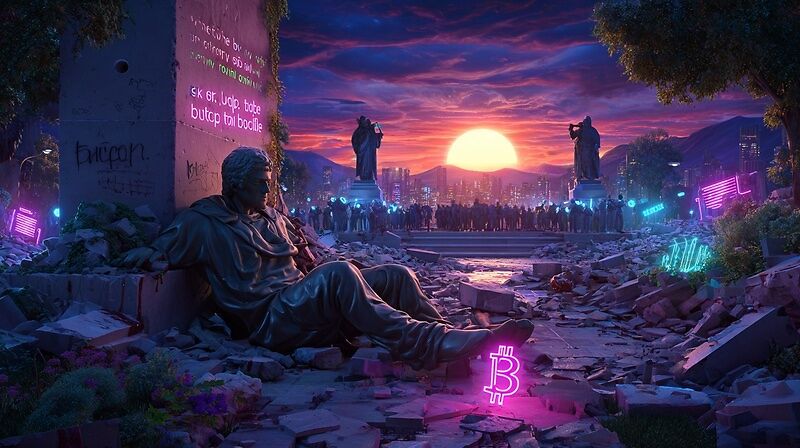
"Биткоин — это не просто технология. Это культурный феномен, и его символы — как статуя Сатоши — становятся частью цифровой мифологии." — Алекс Тапскотт, эксперт по блокчейну
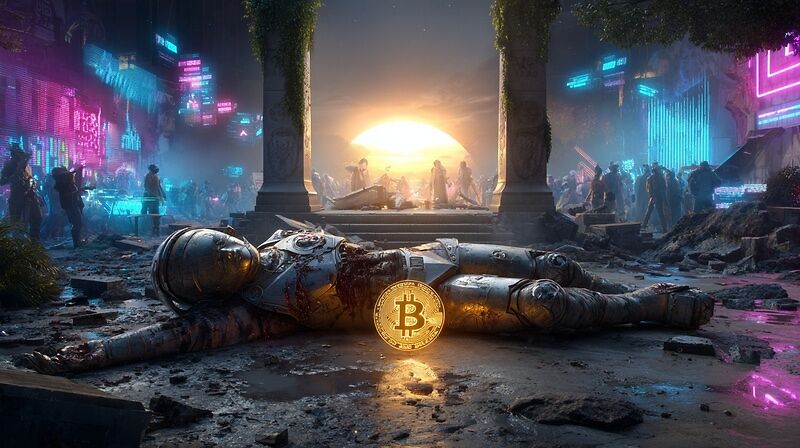
В июле 2025 года стало известно, что статуя Сатоши Накамото, вандалы похитили в мае этого года в Буэнос-Айресе, была найдена в сильно повреждённом состоянии в пригороде столицы Аргентины. Скульптура, которая стала символом децентрализованного движения и цифровой свободы, была обнаружена с разбитой головой, отломленными руками и следами огня — признаками преднамеренного уничтожения.
Инцидент вызвал волну возмущения в мировом криптосообществе и поднял вопросы о культурной ценности цифровых символов, а также о росте антагонизма по отношению к криптовалютам в некоторых слоях общества.
Сатоши Накамото — это псевдоним создателя биткоина, чья личность до сих пор остаётся загадкой. Он опубликовал Bitcoin Whitepaper в 2008 году, запустил сеть в 2009-м и исчез в 2011-м, оставив после себя революционную технологию децентрализованного доверия.
Статуя, установленная в мае 2025 года в районе Palermo Буэнос-Айреса, была создана анонимной группой криптоэнтузиастов. Она изображала фигуру в капюшоне с полупрозрачным лицом, символизирующим анонимность, с логотипом BTC на груди. На постаменте была высечена фраза: "Одноранговая электронная система денежных переводов" — из оригинального описания биткоина.
Для многих эта статуя стала святыней Web3, местом паломничества и символом борьбы за финансовую независимость. Для других — вызовом традиционной финансовой системе.
В ночь на 18 мая 2025 года группа неизвестных лиц под покровом темноты подошла к памятнику, использовала болгарку и трос, чтобы отрезать статую от постамента, и увезла её на грузовике. Инцидент был зафиксирован камерами наблюдения, но злоумышленники были в масках и действовали профессионально.
Городские власти и полиция начали расследование, однако первые недели не принесли результатов. Криптосообщество запустило кампанию #FindSatoshi, предложив вознаграждение в размере 10 BTC (~$1,08 млн) за информацию, ведущую к обнаружению скульптуры.
Через шесть недель, 29 июня, статую обнаружили в заброшенном ангаре в районе La Matanza благодаря анонимному звонку в полицию. К тому моменту она была:
Эксперты по криминалистике предполагают, что это был акт идеологического вандализма, направленный не просто на кражу, а на уничтожение символа.
На данный момент подозреваемые не задержаны, но расследование выделило несколько возможных мотивов:
Первоначально считалось, что статую украли ради перепродажи. Однако, учитывая серьёзные повреждения, эта версия маловероятна. Металл, из которого сделана скульптура, не представляет особой ценности.
Многие аналитики склоняются к версии, что нападение совершили антикапиталисты или критики крипторынка, которые считают биткоин инструментом спекуляций, неравенства и экологического вреда. Надписи на статуе подтверждают эту теорию.
Некоторые члены криптосообщества предполагают, что акт мог быть заказан финансовыми или государственными структурами, чувствительными к росту влияния децентрализованных технологий. Однако доказательств пока нет.
Есть и третья версия: статую могли уничтожить экстремисты из самого криптосообщества, которые считают, что Сатоши не должен быть объектом культа, а биткоин — символом, подлежащим обожествлению.
Инцидент показал, что криптоиндустрия уже вышла за пределы технологий и стала частью культуры, искусства и общественной дискуссии. Статуя Сатоши — это не просто кусок металла, а:
Как отметил арт-критик Мария Гонсалес: "То, что кто-то пошёл на уничтожение этой статуи, означает, что она действительно имела силу. А символы, которые боятся, — самые сильные."
После обнаружения статуи сообщество мгновенно отреагировало:
Решено, что оригинальную скульптуру не будут полностью восстанавливать, а превратят в памятник вандализму — с сохранением повреждений, но под стеклянным куполом. Рядом будет установлена новая, более защищённая версия.
Александр Власов, эксперт по цифровой культуре, отметил:
"То, что произошло с памятником Сатоши, — это не просто акт хулиганства. Это часть более широкой борьбы: централизованное мышление против децентрализованного, старый порядок против нового. Уничтожение символа — это попытка уничтожить идею. Но идеи не горят и не ломаются. Они только распространяются."
Он также добавил, что:
Статуя в Буэнос-Айресе — не единственная в мире. Подобные памятники есть в:
Все они символизируют признание биткоина как культурного и технологического прорыва.
Найденная в руинах статуя Сатоши стала мощным символом:
Как сказал один из основателей Bitcoin Foundation: "Они сломали статую, но не смогут сломать сеть. А пока сеть жива — Сатоши жив."
Сегодня, в эпоху, когда биткоин принимают ETF, корпорации и государства, его символы становятся мишенями. Но, как показывает история, чем сильнее сопротивление, тем сильнее становится движение.