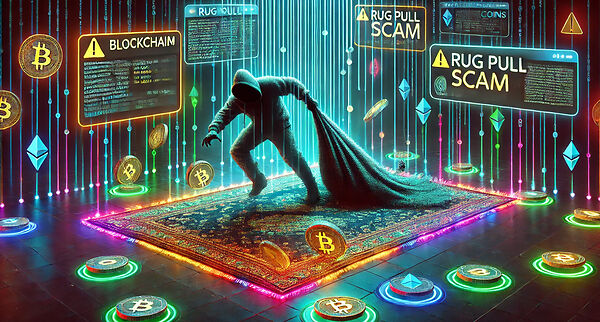
The world of cryptocurrencies never ceases to amaze with its innovations, but the lure of quick earnings also brings numerous risks. One of the most prominent and widely discussed phenomena in recent years has been meme coins—digital assets often created based on internet memes or jokes. Despite their seemingly humorous nature, meme coins have become a breeding ground for fraudulent schemes, commonly known as Rug Pull. In this article, we will take a detailed look at why meme coins attract scammers, which projects turned out to be scams in 2024, and how investors can minimize risks when investing in this segment of the crypto market.

Meme coins are cryptocurrencies whose names and concepts are often based on viral memes, pop culture, or even absurd ideas. Well-known examples such as Dogecoin and Shiba Inu have attracted millions of users due to their unique positioning and mass hype. However, this popularity also makes them attractive to scammers who exploit the following features:
As a result, investors may find themselves in a situation where, after a sharp price increase, the project suddenly shuts down, and the team withdraws all liquidity, leaving token holders with nearly worthless assets.
Over the past few years, the crypto community has witnessed numerous cases of meme coin fraud. Let's look at some examples that have served as serious warnings for investors:
Inspired by the popular TV series, the Squid Game token quickly gained attention through an aggressive advertising campaign and artificially inflated liquidity. However, just days after a rapid price surge, investors discovered that the token’s contract had restrictions on selling, while developers withdrew most funds from the liquidity pool. The result was an immediate price collapse to almost zero.
It is not uncommon for meme coins to be launched by groups of unknown individuals hiding behind pseudonyms. Such projects often promise incredibly high returns but soon disappear with investors’ money. The lack of transparency and team reputation verification is a major red flag for potential investors.
Another common scam is projects built on a pyramid scheme model. In such cases, new funds are used to pay “returns” to early investors. However, when new investments slow down, initiators withdraw all liquidity, leaving investors with worthless tokens. These schemes have proliferated as meme coins have been aggressively promoted through social media and Telegram channels.
The main mechanism of a rug pull includes the following steps:
This mechanism is often disguised as an innovative product or new technology, further misleading even experienced crypto investors.
To protect themselves from fraud, investors should consider the following recommendations:
Besides reviewing official materials and technical documentation, it is useful to follow discussions in major forums and crypto enthusiast communities. Platforms such as Reddit, Twitter, Telegram, and specialized blogs can provide timely information on potential scam projects. Additionally, independent analytical agencies regularly release reports monitoring activity in the meme coin and DeFi segments.
Meme coins continue to be a popular tool for quick profits, but they also come with a high level of risk. The history of major rug pulls teaches us that behind flashy marketing, a carefully crafted scam can lurk. To protect your funds, it is essential to:
The meme coin market remains one of the most dynamic but also the riskiest segments of the cryptocurrency industry. In 2024, we witnessed several high-profile scam cases where project creators, leveraging aggressive marketing and artificially inflated liquidity, suddenly vanished with investors’ money. These incidents once again highlight the importance of thorough analysis, team reputation verification, and transparent tokenomics.
For those planning to invest in meme coins, it is crucial to remember that even the most attractive projects can be traps for inexperienced market participants. Studying past scam cases, continuously monitoring information in communities, and using independent analytical services can help mitigate risks and make informed decisions. Ultimately, a well-thought-out investment approach is the key to protecting your funds in an ever-changing crypto landscape.
Remember: while meme coins can bring staggering profits, they can also leave investors with significant losses. Be cautious, thoroughly analyze each opportunity, and do not let emotions cloud your judgment. Only by doing so can you safeguard your capital and learn from past mistakes to avoid falling into fraudulent schemes in the future.