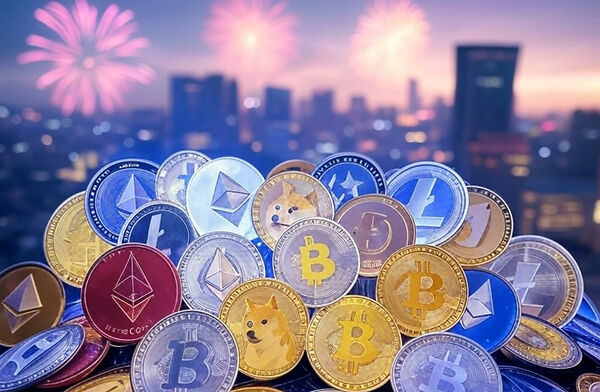
The world of cryptocurrencies never ceases to amaze with its constant shifts in trends, the emergence of new tokens, and, unfortunately, high-profile hacker attacks. In 2024, the market has already seen clear favorites and outsiders, with power dynamics changing sometimes on a weekly basis. So, what key lessons can we learn from observing which projects "skyrocket" and which ones fail? And what role do holders play, those who persistently keep their digital assets even when the market is turbulent?

Unfortunately, 2024 has been marked by several serious hacks that have affected both centralized exchanges and DeFi protocols. The biggest losses have been observed in the following cases:
Affected projects generally lost investor trust and a significant portion of their liquidity. However, some managed to recover by launching compensation programs and improving their security measures. Interestingly, many users who experienced a hack alongside a project continued to hold their tokens, hoping for a quick recovery.
While some market players faced losses, others demonstrated remarkable success. The top winners of 2024 include:
At the same time, DeFi remains resilient despite setbacks from hacks and panic-driven sell-offs. Experts note that developers with a strong technical foundation and real-world use cases are taking the lead, while "meme" tokens and empty promises are losing traction.
Holders, those who keep their digital assets for extended periods (sometimes years), often find themselves in a favorable position if the projects they invest in weather the storm and reach new heights. Several trends have emerged in 2024:
Meanwhile, a new class of investors driven by hype often prefers speculative trades, missing out on the benefits of long-term holding. Experts highlight that the "buy and hold" (HODL) strategy does not provide immediate gains but protects investors from emotional decisions during short-term crashes.
Forecasts for the rest of 2024 suggest several key scenarios:
However, unexpected market volatility cannot be ruled out, especially if macroeconomic factors (interest rates, inflation, geopolitics) suddenly impact investor sentiment.
To navigate major hacker attacks and volatile market trends, analysts recommend following these rules:
Ultimately, a well-structured strategy enables investors to endure even unfavorable scenarios while preserving and increasing their capital when the market makes its next move.
In 2024, the cryptocurrency ecosystem is undergoing a resilience test: major hacks and struggles within some projects coexist with successful innovations, strengthened technology, and the growing influence of holders. Some assets are on the brink of survival, while others are thriving. Investors should monitor key trends to identify potential "winners" and "losers" in this fast-changing market.
The decline of some coins does not mean the industry is collapsing. On the contrary, the elimination of "weak links" and increased competition push remaining projects to improve security, product quality, and user engagement. Those who approach investing systematically—considering risks, security, and long-term potential—stand to gain the most. And, as experience shows, the HODL strategy sometimes yields the most impressive results.