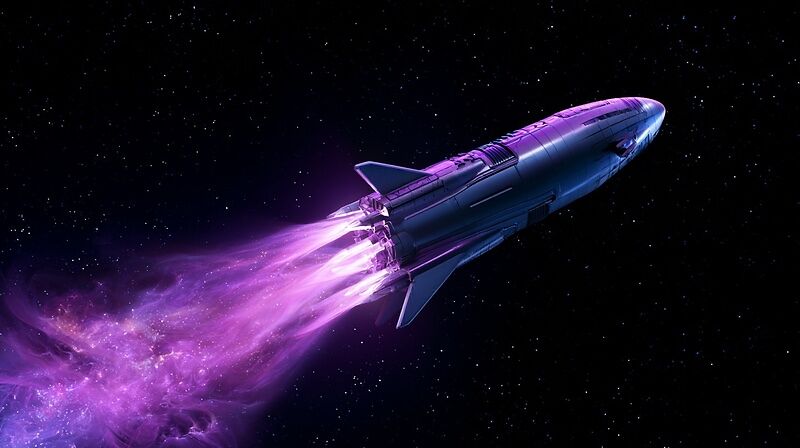
100 000 долларов за одну акцию. Именно столько стоила частная акция SpaceX на вторичном рынке в начале 2026 года, делая компанию Илона Маска недоступной для 99% инвесторов планеты. Но блокчейн изменил эту математику. Токен SPCX — это не просто очередная криптовалюта с космическим названием. Это часть глобального тренда RWA (Real World Assets) — токенизации реальных активов, которая позволяет владеть долей в ракете, спутнике или самой компании SpaceX, не покупая целую акцию. За первый квартал 2026 года объём токенизированных реальных активов превысил $15 миллиардов, и космическая индустрия стала одним из самых быстрорастущих сегментов этого рынка.
📊 Ключевой факт: По данным RWA.xyz, токенизированные акции технологических компаний (включая SPCX) показали рост капитализации на 340% за 2025 год, обогнав даже сегмент токенизированных облигаций. Средний чек инвестора в SPCX составляет $850 — в 120 раз ниже стоимости целой акции SpaceX.
SpaceX — частная компания, и её акции не торгуются на публичных биржах. Попасть в каптабл (таблицу акционеров) можно только через специализированные вторичные площадки вроде Forge Global или EquityZen, где минимальный порог входа начинается от $100 000. SPCX решает эту проблему через механизм токенизации.
Важно не путать SPCX с сотнями мемкоинов с космическими названиями (SpaceShiba, RocketDoge и т.д.). Настоящий SPCX — это обеспеченный актив, чья цена привязана к стоимости реальной акции SpaceX. Мемкоины такой привязки не имеют и существуют только за счёт спекулятивного спроса.
«Когда я начинал SpaceX, я думал, что у нас один шанс из десяти. Сегодня, видя, как блокчейн открывает доступ к космическим инвестициям для миллионов, я понимаю — мы изменили не только ракетостроение, но и саму природу инвестиций», — Илон Маск, CEO SpaceX и Tesla.
За кажущейся простотой «токена, привязанного к акции» стоит сложная инфраструктура, сочетающая традиционные финансы и блокчейн.
| Действие | Процесс | Время |
|---|---|---|
| Покупка | Прохождение KYC → Внесение фиата/крипты → Получение токенов | 1-3 дня |
| Хранение | На собственном кошельке или у кастодиана платформы | Постоянно |
| Продажа | Вывод на DEX или специализированную платформу → Обмен на фиат/крипту | 1-5 дней |
| Погашение | Сжигание токенов → Получение доли реальной акции (обычно от 100 акций) | 7-14 дней |
💡 Технический нюанс: Токены SPCX часто имеют функцию wrapper — они могут быть «обёрнуты» для использования в DeFi-протоколах. Это позволяет использовать токенизированные акции как коллатерал для кредитов или предоставлять их в пулы ликвидности.
Токенизированные акции SpaceX — лишь часть глобального тренда. Рынок RWA переживает взрывной рост, трансформируя традиционные финансовые активы в цифровую форму.
| Сегмент | Объём | Рост за год | Примеры |
|---|---|---|---|
| Токенизированные облигации | $8.2 млрд | +180% | BlackRock BUIDL, Franklin Templeton |
| Недвижимость | $3.1 млрд | +95% | RealT, Lofty AI |
| Акции частных компаний | $2.4 млрд | +340% | SPCX (SpaceX), Backed OpenAI |
| Товары (золото, нефть) | $1.8 млрд | +120% | PAX Gold, Tether Gold |
«Рынок может оставаться иррациональным дольше, чем вы можете оставаться платежеспособным. Но когда речь идёт о токенизированных актах частных компаний, иррациональность становится структурированной и регулируемой», — Ларинк Финк, CEO BlackRock.
Несмотря на привлекательность, токенизированные акции несут уникальные риски, которых нет у традиционных инвестиций.
⚠️ Важно: Перед инвестированием в SPCX обязательно изучите юридическую структуру эмитента, условия хранения акций и процедуру погашения токенов. Не все токенизированные акции созданы одинаково.
SPCX — это только начало. Индустрия движется к полной токенизации космической экономики.
«Любая достаточно развитая технология неотличима от магии», — гласил третий закон Артура Кларка. В 1960-х, когда Кларк писал эти слова, идея владеть долей в космическом корабле, не будучи государством или миллиардером, казалась фантастикой. Сегодня, в 2026 году, это реальность — и она стала возможной не благодаря развитию ракетостроения, а благодаря развитию блокчейна.
Токенизация — это не просто технический трюк. Это фундаментальный сдвиг в том, как человечество владеет активами. Раньше собственность требовала физических документов, нотариусов, банковских сейфов. Теперь собственность — это строка кода в блокчейне, доступная из любой точки мира, в любое время суток, любому человеку с интернетом.
SpaceX токенизировал космос не потому, что Илон Маск решил революционизировать финансы. Он сделал это потому, что блокчейн оказался единственным инструментом, способным сделать его мечту о колонизации Марса финансово доступной для миллионов. Когда каждый человек на планете сможет владеть долей в ракете, летящей к Марсу, космос перестанет быть уделом избранных. Он станет общим достоянием.
Космос всегда был символом человеческого стремления к невозможному. Токенизация сделала этот символ доступным. И когда вы покупаете SPCX, вы покупаете не просто токен — вы покупаете билет в будущее, где космос принадлежит всем.
«Земля — колыбель человечества, но нельзя вечно жить в колыбели», — Константин Циолковский, основоположник теоретической космонавтики.