Сложность майнинга Bitcoin продемонстрировала самое значительное снижение за последние годы, упав на 19.9% с исторического максимума в 156 триллионов, достигнутого в ноябре 2025 года, до 126.23 триллионов по состоянию на корректировку 25 июля 2026 года. Это падение стало третьим по глубине за всю эпоху ASIC-майнинга и ознаменовало собой не просто циклическую коррекцию, а фундаментальную трансформацию бизнес-моделей крупнейших майнинговых компаний, которые массово переориентируют свои мощности на обслуживание искусственного интеллекта.
Хешрейт сети снизился примерно на 12% с пика конца 2025 года, превышавшего один зеттахеш в секунду, до приблизительно 868 экзахешей в секунду к концу июля 2026 года. Аналитики Bitcoin Magazine Pro зафиксировали 287 последовательных дней нисходящего тренда, что указывает на систематический, а не краткосрочный отток вычислительных мощностей из сети.
Рекордные продажи: Публично торгуемые майнинговые компании продали более 32,000 BTC только в первом квартале 2026 года. Этот объем превысил их совокупные продажи за весь 2025 год и превзошел 20,000 BTC, реализованные во время краха Terra Luna в 2022 году.
Подобная интенсивность продаж объясняется не паникой, а стратегическим решением: компании используют выручку от реализации накопленных резервов Bitcoin для финансирования капитальных затрат на переоборудование инфраструктуры под нужды искусственного интеллекта. При текущем уровне хешпрайса около $33 примерно 20% индустрии работает в убыток, что делает диверсификацию не просто желательной, а критически необходимой для выживания.
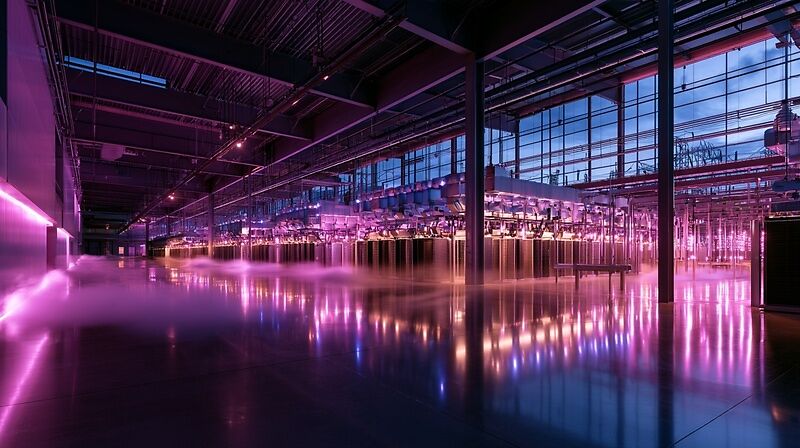
Наиболее значимое развитие в майнинговой индустрии связано не с Bitcoin, а с искусственным интеллектом. Майнинговые компании управляют масштабной энергетической инфраструктурой в локациях с доступом к электросетям, системами охлаждения и выгодными энергетическими контрактами. Эти же характеристики критически необходимы операторам дата-центров для ИИ.
Это осознание радикально трансформировало инвестиционный тезис для публично торгуемых майнеров, превратив их из чистых прокси на Bitcoin в компании энергетической инфраструктуры. Рынок начал оценивать эти активы не по объему добытых монет, а по стоимости их энергетических контрактов, недвижимости и потенциалу выручки от ИИ-сервисов.
Компания Hut 8 представляет наиболее драматичный пример трансформации. 20 июля компания подписала второй 15-летний договор аренды на 352 мегаватта на своем кампусе Beacon Point в Техасе. Это соглашение увеличило базовую стоимость контракта кампуса до $19.6 миллиарда, а общий контрактный ИИ-портфель Hut 8 достиг $26.6 миллиарда. Первая поставка второй фазы запланирована на второй квартал 2028 года.
Акции Hut 8 более чем учетверились за предшествующие 12 месяцев и выросли на 11% после объявления о новом контракте. Ранее компания заключила 15-летний договор аренды стоимостью $9.8 миллиарда для крупномасштабного проекта дата-центра в партнерстве с Fluidstack, поддерживаемой Google.
Core Scientific последовала примеру 28 июля, объявив о партнерстве с AMD, основанном на 15-летних соглашениях, охватывающих приблизительно 530 мегаватт. Компания сообщила, что ее общая арендованная клиентская емкость достигла примерно 1.1 гигаватта, что представляет более $24 миллиардов потенциальной контрактной выручки.
Core Scientific строит 400 мегаватт новой мощности дата-центра, специально предназначенной для ИИ. Выручка компании за последние двенадцать месяцев составляет $510.67 миллиона, и ожидается, что доля ИИ-сегмента будет неуклонно расти.
Переход TeraWulf уже генерирует реальную выручку. Компания отчиталась о $21 миллионе выручки от хостинга ИИ и высокопроизводительных вычислений в первом квартале 2026 года, впервые превысив свою выручку от майнинга Bitcoin, которая составила менее $13 миллионов за тот же период.
Этот переломный момент символизирует качественный сдвиг в бизнес-модели компании: из чистого майнера она превращается в провайдера вычислительной инфраструктуры, где Bitcoin-майнинг становится вторичным, а не основным источником дохода.
HIVE Digital объявила о проекте ИИ-суперфабрики стоимостью $2.55 миллиарда недалеко от Торонто, предназначенной для размещения более 100,000 графических процессоров. Этот масштаб инвестиций демонстрирует уверенность компаний в долгосрочной перспективе ИИ-сегмента и готовность направлять значительные капиталы в новую инфраструктуру.
Переход на ИИ разорвал историческую взаимосвязь между акциями майнинговых компаний и ценой Bitcoin. Корзина акций Bitcoin-майнеров выросла на 56% в первые месяцы 2026 года, в то время как Bitcoin упал на 17%. Такая дивергенция была бы немыслима два года назад, когда акции майнеров двигались синхронно с ценой Bitcoin, только с большей амплитудой.
Новая модель оценки: Инвесторы теперь оценивают эти компании по их энергетическим контрактам, недвижимости и потенциалу выручки от ИИ, а не по производству Bitcoin. Рынок закладывает в цену будущее, где майнинг Bitcoin является вторичным потоком выручки для компаний, чей основной бизнес — предоставление энергии и инфраструктуры для рабочих нагрузок искусственного интеллекта.
Акции Hut 8, TeraWulf и Core Scientific выросли более чем на 90% с начала года благодаря переориентации на роль арендодателей дата-центров для ИИ, хотя вопросы оценки и капитальных затрат остаются актуальными.
Когда сложность падает, это означает, что хешрейт покинул сеть. Майнеры отключили оборудование либо потому, что их операционные расходы превышают выручку, либо потому, что они нашли более прибыльное применение для своих энергетических мощностей. Падающая сложность облегчает майнинг для оставшихся операторов, временно улучшая их экономику до тех пор, пока стимулы не привлекут хешрейт обратно.
В отличие от предыдущих глубоких падений сложности, текущее снижение не имеет единого политического катализатора. Это совокупный результат нескольких факторов:
Прогнозы показывают, что выручка от ИИ и высокопроизводительных вычислений составит примерно 70% от общей выручки публичных Bitcoin-майнеров к концу 2026 года, по сравнению с примерно 30% в первом квартале. Общий объем подписанных ИИ и HPC-контрактов превышает $70 миллиардов.
Эта трансформация создает новую парадигму, где майнинговые компании становятся гибридными энергетическими провайдерами, способными гибко переключаться между различными типами вычислительных нагрузок в зависимости от их относительной доходности. Bitcoin-майнинг не исчезает, но становится одним из нескольких потоков выручки в диверсифицированном портфеле.
Для инвесторов это означает необходимость пересмотра моделей оценки майнинговых компаний. Традиционные метрики, основанные на стоимости добытого Bitcoin и хешрейте, уступают место оценке энергетических активов, долгосрочных контрактов и потенциала монетизации инфраструктуры через ИИ-сервисы.
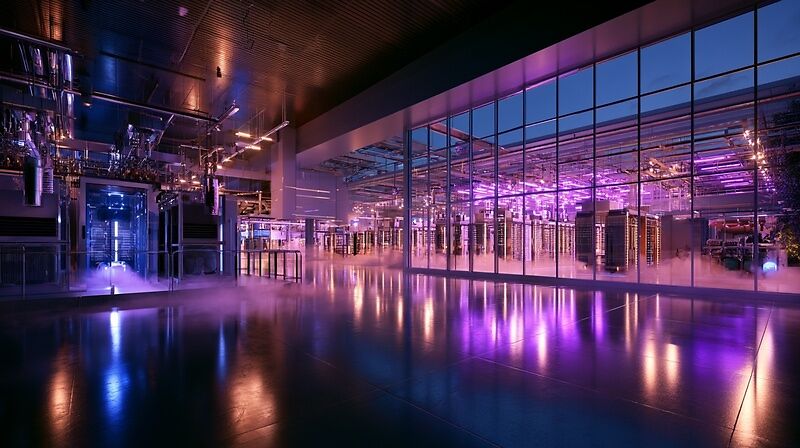
Для самих майнинговых компаний вызов заключается в операционном исполнении: переоборудование дата-центров под нужды ИИ требует значительных технических изменений, включая модернизацию систем охлаждения, повышение плотности размещения оборудования и обеспечение более строгих требований к надежности и задержкам.
Долгосрочная устойчивость: Компании, успешно осуществившие переход, получат доступ к более стабильным и предсказуемым потокам выручки через долгосрочные контракты, снижая зависимость от волатильности криптовалютных рынков. Однако эта трансформация требует времени, капитала и операционного мастерства.
Текущее падение сложности майнинга на 19.9% — это не симптом кризиса Bitcoin, а отражение здоровой рыночной адаптации, где капитал перетекает в наиболее продуктивные применения. Сеть Bitcoin продолжает функционировать, просто с меньшим, но более экономически эффективным хешрейтом, в то время как высвободившиеся энергетические мощности находят новое применение в обслуживании следующего технологического цикла.
«Энергия — это новая нефть, а данные-центры — новые нефтеперерабатывающие заводы. Те, кто контролирует инфраструктуру, контролируют будущее вычислений».
— Майкл Сэйлор, основатель MicroStrategy