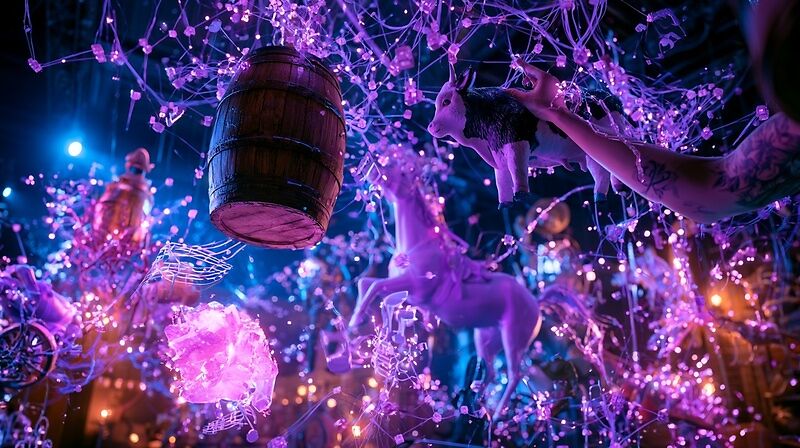
Когда генеральный директор BlackRock Ларри Финк заявил, что каждый актив в конечном итоге будет токенизирован, он вряд ли думал о метеоризме. Тем не менее, именно это и произошло. Блокчейн-технология давно вышла за рамки простых криптовалют и теперь охватывает самые неожиданные активы — от домашнего скота до частей человеческого тела.
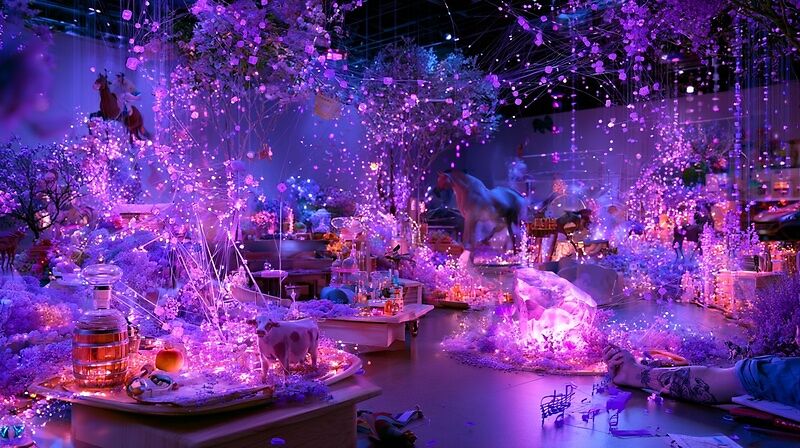
Токенизация реальных активов (RWA) превращает физические объекты и права собственности в цифровые токены на блокчейне, открывая новые возможности для инвестиций и ликвидности.
Во время пандемии, когда большинство людей пекли хлеб или учили языки в Duolingo, режиссер Алекс Рамирес-Маллис записал свои собственные пуки и отчеканил каждый как невзаимозаменяемый токен (NFT).
Говорят, пуки как дети — любишь только свои. Но фактор новизны позволил Рамиресу-Маллису продавать их по 0.05 ETH каждый (около $85 на тот момент), доказывая, что у каждого актива есть своя цена.
Этот проект стал одним из самых странных примеров NFT-токенизации, показав, что блокчейн может зафиксировать буквально что угодно — даже самые интимные и нелепые проявления человеческой жизнедеятельности.
Бразильский инвестиционный фонд Target FIDC структурировал сделку, превратив 10 бразильских коров в токенизированный залог. Каждой корове был присвоен уникальный цифровой токен, связанный с зашифрованной цифровой идентичностью.
Первый кредит составил всего $19,600, но это был proof of concept, демонстрирующий потенциал для поддержки около $80 миллионов в финансировании под залог скота на фермах.
Сельскохозяйственная индустрия сгенерировала около $4 триллионов глобальной добавленной стоимости в 2023 году, так что ждите токенизированных овец, коз и кур в качестве залога следующими.
Этот кейс показывает, как традиционные активы могут получить новую жизнь через блокчейн, улучшая отслеживаемость, прозрачность и доступность финансирования для фермеров.
Когда вы думаете о том, чтобы поделиться виски, вы, вероятно, имеете в виду жидкое золото, но бочки виски — естественный кандидат для токенизации.
Как и высококачественное искусство и коллекционные предметы, шотландский виски обычно увеличивается в стоимости по мере созревания. Несколько проектов экспериментируют с размещением бочек виски на блокчейне, чтобы инвесторы могли покупать целые единицы или дробное владение токенизированным виски, хранящимся на акцизных складах.
Просто помните: если рынок рухнет, вы не сможете выпить цифровой JPEG бочки. Но зато сможете легко продать свою долю другим инвесторам без необходимости физически перемещать тяжелые бочки.
Владение скаковыми лошадьми долгое время было прерогативой сверхбогатых — тех, у кого достаточно глубокие карманы, чтобы покрыть сотни тысяч долларов на разведение, тренировки и содержание, плюс модная шляпа для ипподрома.
Но токенизация начинает разрушать эти элитарные барьеры, разделяя владение реальными чистокровными скаковыми лошадьми на цифровые доли.
Инвесторы могут купить долю в животном и участвовать в любых призовых деньгах, доходах от разведения или будущих proceeds от продажи, не покупая целую лошадь.
Крис Тернер, соучредитель impact investment фирмы KULA, предупреждает: «Размещение коллекционного или люксового предмета на блокчейне не делает его автоматически более ликвидным или ценным, если юридические права, процесс передачи и рыночная структура остаются неизменными».
Если ваш ум обращается к казначействам и частному кредиту при мысли о токенизированных реальных активах (RWA), может быть сдвигом рассмотреть уран — радиоактивный металл, более известный своей ролью в ядерной энергетике.
Но именно это делает metals.io при поддержке Tezos. Соучредитель Tezos Артур Брайтман говорит, что блокчейн-технология преуспевает в построении «надежных, аудируемых и экономически эффективных финансовых рельсов для любого актива», но особенно согласуется с «технологически ориентированными сырьевыми товарами», такими как уран.
Брайтман сообщает, что объем торгов с ноября 2024 по июль 2026 года составил $21.5 миллиона через приблизительно 18,200 сделок и около 7,400 уникальных кошельков.
Он признает, что рост остается скромным, говоря, что институциональные игроки проявили интерес, но «все еще стесняются токенизированных рельсов».
Одно из самых необычных предложений, которое получила платформа токенизации Brickken, поступило от чилийской рыбоперерабатывающей компании, которая хотела выпустить токенизированный долг с доходностью, привязанной к стоимости продаваемой рыбы.
«Токен представлял договорное требование кредитора, в то время как подлежащие уплате проценты корректировались в соответствии с проверенными показателями продаж компании. По сути, это был токенизированный долговой инструмент, привязанный к выручке», — объясняет Эдвин Мата, главный исполнительный директор Brickken.
Мата утверждает, что идея подчеркивает важный принцип:
«Почти любой денежный поток может поддерживать токенизированный финансовый инструмент, при условии, что базовые права и данные могут быть независимо проверены».
В конце концов, рыба так и не попала на блокчейн. Базовые продажи рыбы все еще полагались на аудиты, коммерческую отчетность и юридические соглашения, которые еще не могли быть автоматизированы, доказывая, что иногда самое большое препятствие для токенизации — это не блокчейн, а реальный мир.
Музыкальные роялти также нашли свой путь на блокчейн, с одним из ранних высокопрофильных примеров в 2021 году, когда диджей и продюсер 3LAU дал фанатам 50% прав на стриминг своего сингла Worst Case через свою блокчейн-платформу Royal.
Затем, в 2022 году, рэпер Nas использовал Royal для продажи прав на стриминговые роялти двух своих песен, Ultra Black и Rare.
Хотя идея onchain роялти набрала обороты во время NFT-бума, токенизированные музыкальные роялти еще не стали мейнстримным классом активов. Может быть, потому что стриминговые платформы платят копейки.
Тем не менее, эта модель открывает новые возможности для музыкантов монетизировать свои каталоги и для фанатов инвестировать в успех своих любимых артистов.
Если токенизация пуков и скота была недостаточно странной, как насчет частей вашего собственного тела? Именно это сделала хорватская теннисистка Александра Олейникова в 2021 году, когда она выставила на аукцион рекламные права на участок кожи 15 на 18 сантиметров на своей правой руке как NFT.
Победивший участник заплатил 3 Ether (около $5,400 на тот момент) за право выбрать, какую татуировку она будет носить во время турниров в течение года.
Спортсмены давно продают спонсорское пространство на рубашках, шлемах и гоночных автомобилях. Олейникова просто подняла идею на новый уровень, придав совершенно новый смысл выражению «иметь шкуру в игре».
Этот кейс показал, как блокчейн может токенизировать даже права на использование человеческого тела, открывая новые формы монетизации для спортсменов и знаменитостей.
Большинство коллекционеров искусства пытаются сохранить шедевры; крипто-коллекционеры поджигают их, чтобы сделать заявление о «цифровом владении». В 2021 году группа, называющая себя Burnt Banksy, купила принт Banksy под названием Morons (White) примерно за $95,000. Они транслировали в прямом эфире, как сжигают его, а затем отчеканили разрушение.
Если это заставляет вас чесать затылок, в этом безумии был метод; идея заключалась в том, что хотя физическое произведение искусства больше не существовало, владение будет жить вечно через блокчейн.
NFT был продан примерно за $382,000, вызвав ожесточенные дебаты о том, уничтожила ли группа ценное произведение искусства или просто превратила его в новое. Это был, вероятно, первый раз в истории, когда кто-то получил 300% прибыли от «огненной распродажи».
Также в 2021 году, в год NFT-лордов, соучредитель Twitter Джек Дорси токенизировал свой самый первый твит — «just setting up my twttr» — и продал его как NFT крипто-предпринимателю Сине Эстав за $2.9 миллиона, быстро став символом NFT-бума.
Год спустя Эстав попытался перепродать его за $48 миллионов, но получил ставки лишь на крошечную долю от запрашиваемой цены, с самым высоким заявленным предложением всего в $6,800.
Хотя кто угодно все еще может прочитать твит на X, только один человек владеет блокчейн-сертификатом, связанным с ним. Ценно это или нет, остается открытым вопросом.
Как говорит Мата: «Токенизация может улучшить доступ, администрирование, расчеты и передаваемость, но не может превратить плохую инвестицию в хорошую».
Несмотря на кажущуюся абсурдность некоторых примеров, все они демонстрируют важные принципы токенизации:
Однако токенизация сталкивается с серьезными препятствиями:
Многие юрисдикции еще не разработали четкие правила для токенизированных активов. Вопросы собственности, налогообложения и регулирования остаются неясными.
Как показал пример с рыбой, блокчейн не может автоматизировать процессы, которые все еще требуют человеческого вмешательства, аудитов и юридических соглашений.
Многие необычные активы сложно оценить объективно, что приводит к высокой волатильности и спекуляциям.
Уязвимости смарт-контрактов, потери приватных ключей и другие технические проблемы могут привести к потере активов.
Несмотря на странность некоторых ранних примеров, токенизация продолжает развиваться в более серьезных направлениях:
Эксперты прогнозируют, что рынок токенизированных активов может достичь $16 триллионов к 2030 году, с институциональными инвесторами, все больше принимающими эту технологию.
Эти необычные примеры токенизации содержат важные уроки:
От годового запаса пуков до сожженного Banksy, эти 10 странных активов демонстрируют удивительную гибкость блокчейн-технологии. Но за кажущейся абсурдностью скрываются важные принципы, которые применимы к более традиционным активам.
Токенизация — это не магия, превращающая любой актив в золото. Это инструмент, который может улучшить ликвидность, прозрачность и доступность, но не может создать ценность там, где её нет.
По мере взросления индустрии мы, вероятно, увидим меньше сожженных произведений искусства и больше токенизированных казначейских облигаций. Но эти ранние эксперименты сыграли важную роль, показав возможности технологии и протестировав её границы.
Будущее токенизации лежит не в странности активов, а в зрелости инфраструктуры, четкости регулирования и способности соединять цифровой мир с физическим. И в этом отношении странные ранние примеры были необходимыми шагами на пути к серьезному принятию технологии.
«Блокчейн — это не про создание новых ценностей из воздуха, а про более эффективное управление существующими ценностями. Технология не меняет природу активов, она меняет способ, которым мы с ними взаимодействуем».
— Андреас Антонопулос, известный эксперт по блокчейн-технологиям