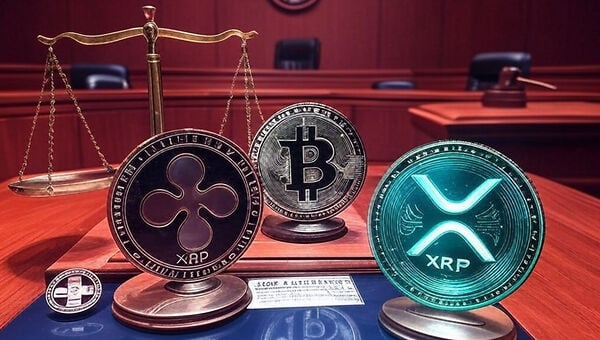
Путаница между Ripple, XRP и XRP Ledger часто приводит к ошибкам инвесторов и неверным трактовкам новостей. В статье разберём, как взаимодействуют эти три элемента, какие риски несёт суд с SEC и почему XRP Ledger называют «блокчейном для институтов».

Ripple — технологическая компания, основанная в 2012 году, которая фокусируется на международных платежах. Её продукты:
Важно: Ripple не контролирует XRP Ledger, но владеет ~45 млрд XRP из 100 млрд эмиссии.
XRP — цифровой актив, используемый в XRP Ledger. Его особенности:
| Параметр | Значение |
|---|---|
| Скорость транзакций | 3-5 секунд |
| Комиссия | ~$0.0002 |
| Эмиссия | 100 млрд (без майнинга) |
По данным Messari, 80% транзакций XRP связаны с ODL, а не спекуляциями.
XRP Ledger (XRPL) — открытый блокчейн, запущенный в 2012. Ключевые функции:
В 2020 SEC подала иск, обвинив Ripple в продаже незарегистрированных ценных бумаг (XRP). Итоги на 2024 год:
Эксперт по криптоправу Джереми Хоган: «Дело создало прецедент — другие альткоины могут избежать классификации как securities».
| Платформа | Скорость | Комиссия | Децентрализация |
|---|---|---|---|
| XRP Ledger | 3-5 сек | $0.0002 | Умеренная |
| SWIFT | 1-5 дней | $30-50 | Централизована |
| Stellar | 3-5 сек | $0.00001 | Высокая |
XRP Ledger — технологически продвинутый блокчейн, но его будущее тесно связано с Ripple и судебными баталиями. Инвесторам стоит следить за решениями SEC и адаптацией банков к ODL. Как сказал CEO Ripple Брэд Гарлингхаус: «Мы строим интернет ценностей — медленно, но необратимо».