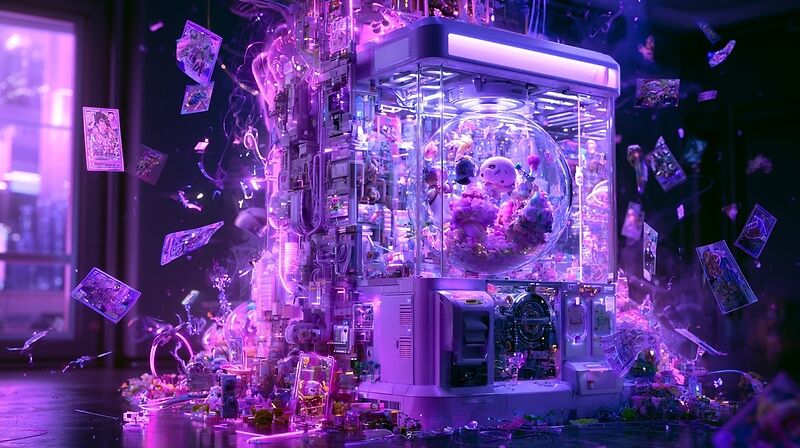
Только когда вы подумали, что криптовалюта стала скучной, новый феномен зажигает Crypto Twitter — Fake World Assets (FWA). Да, действительно. Это последняя итерация onchain гача-бума, где пользователи получают случайный коллекционный предмет или предметы, которые обычно стоят очень мало, но иногда могут стоить довольно много.

В течение четырех дней после запуска FWA поглотили столько газа Ethereum, что ненадолго стали крупнейшим потребителем газа в сети по комиссиям за 24-часовой период.
На пике 25 июля FWA сгенерировали приблизительно $1.53 миллиона ежедневных комиссий и даже обогнали Tether и Circle, ненадолго войдя в число крупнейших потребителей блокспейса Ethereum. Их создатели, TokenWorks, провозгласили:
«4 дня с момента запуска. Fake World Assets — это следующая большая вещь».
TokenWorks далеко не беспристрастный наблюдатель, но TVL продолжает расти, достигнув более $6.15 миллионов 31 июля. Доход от комиссий теперь снизился до примерно $350,000 в день, что эквивалентно годовой ставке около $268 миллионов. К 1 августа FWA увидели объем в 10,000 ETH и 100,000 покупок.
Часть активности обусловлена пользователями, пытающимися получить доступ к ранним токеновым стимулам FWA, но также наблюдается подлинный интерес к геймифицированной механике.
Криптовалюта годами пыталась поместить реальный мир onchain — от акций и облигаций до коллекционных карт и бразильских коров. TokenWorks решили перевернуть идею с ног на голову, создав Fake World Assets, которые являются просто NFT.
Вместо покупки конкретного коллекционного предмета, как Bored Ape, пользователи платят за вращение onchain «гача-машины» для шанса выиграть случайно выбранный NFT, обеспеченный Ether.
Предлагаемые призы поступают из десятков известных коллекций, таких как CryptoPunks и Azuki до Lil Pudgys и Art Blocks.
Гача — это сокращение от gachapon/gashapon, автоматов, изобретенных в Японии в 1960-х годах, которые выдают случайную игрушку в капсуле. Эта механика мигрировала в мобильные и браузерные игры, причем лутбоксы в Dragon Collection в 2010 году часто цитируются как первая крупная гача-игра.
Тем временем аналогичная механика работала с реальными «бустер-паками» торговых карт Pokemon, которые предлагали случайный ассортимент коллекционных карт различной редкости и стоимости. Эти карты впоследствии были токенизированы onchain такими проектами, как Collector Crypt, Beezie и Courtyard.
Как ранее сообщал Magazine, onchain гача увидела рекордный объем в $324 миллиона в июне. Сотни этих токенизированных карт теперь были упакованы для использования в FWA.
Гача-механика сочетает криптовалюту, коллекционирование и азартные игры. Как выразился псевдонимный крипто-комментатор 2Lambroz, с точки зрения игрока, «вы покупаете лотерейный билет на пул».
«Люди наслаждаются игрой в лотерею, и важно относиться к этому серьезно», — говорит Бенджамин Локвуд, экономист Wharton, чье исследование государственных лотерей показало, что люди ценят сам опыт, а не только шанс выиграть.
Меир Статман, пионер поведенческих финансов и профессор Университета Санта-Клары, автор книги «Богатство благополучия», говорит Magazine:
«Существует параллель с 'onchain гача' в том, как люди торгуются за содержимое заброшенных складских помещений. Большинство находят предметы, достойные мусорного бака, но некоторые находят вещи, которые могут продать на eBay. Один нашел картину стоимостью сотни тысяч долларов. Это сочетает надежду на богатство с игривостью. Это то, что предлагают лотереи».
Держатели NFT становятся поставщиками ликвидности (LP), депонируя коллекционные предметы вместе с ETH и получая долю комиссий, пока их позиция остается в пуле.
Игроки, тем временем, платят за шанс вытащить случайно выбранный NFT, решая afterward, сохранить его или выкупить большую часть прикрепленной стоимости ETH вместо этого. Blockworks Research отмечает, что в настоящее время около 70% покупателей выбирают конвертацию своих выигрышей в FWA.
Как объясняет 2Lambroz, LP эффективно надеются, что их NFT останется в пуле достаточно долго, чтобы заработать комиссии до его выбора, в то время как игроки гонятся за шансом получить приз, стоящий гораздо больше, чем стоимость вращения.
Самопровозглашенный Ethereum макси Materkel говорит:
«Самая веселая примитивная NFT/казино за более чем десятилетие крипто, где пользователи фактически могут быть одновременно и игроками, и казино [...] Деньги Lego на Ethereum вернулись!».
Не все убеждены, что волнение вокруг FWA продлится. Саймон Дедик, основатель венчурной капитальной фирмы Moonrock Capital и ранний инвестор onchain коллекционных платформ, говорит Magazine:
«Я очень бычий по отношению к геймифицированной коммерции... мой скептицизм по отношению к FWA специфичен».
Дедик утверждает, что большая часть текущей активности обусловлена щедрыми токеновыми стимулами, а не подлинным спросом.
«Все это чисто направлено на крипто-дегенов, чтобы они могли играть и спекулировать», — говорит он.
Хотя Дедик считает, что большая часть активности связана с токеновыми стимулами, он говорит, что «очень бычий по отношению к геймифицированной коммерции по поколенческой причине».
«Чем дальше Gen Z становится поколением с самой сильной покупательной способностью, тем больше шопинг будет геймифицирован и сопровождаться дофаминовым ударом».
И вместо предложения случайных NFT из прошлого цикла, Дедик считает, что механизм лучше подходит для активов, которые люди уже хотят иметь, таких как коллекционные предметы, как карты Pokémon, часы и даже виски.
«Я вижу огромный потенциал в продаже очень востребованных активов геймифицированным способом», — говорит он. «Я вижу очень мало в построении схем Понци для создания спроса на активы, которые никто не хотел в первую очередь».
Настоящий тест придет, когда новизна исчезнет и стимулы угаснут. Если пользователи продолжат вращать в любом случае, onchain гача может найти розничный use case, который крипто искала все это время. Если нет, они присоединятся к мусорному огню неудавшихся крипто-экспериментов, которые ярко горели, прежде чем угаснуть.
Успех FWA и onchain гача проливает свет на фундаментальные аспекты человеческой психологии:
Поведенческие финансы давно показали, что люди иррационально переоценивают малые вероятности крупных выигрышей — именно поэтому лотереи продолжают процветать, несмотря на математически отрицательное ожидаемое значение.
Система FWA работает на нескольких уровнях:
Экономика FWA построена на нескольких потоках доходов:
Комиссии за транзакции: каждый spin генерирует комиссию, которая распределяется между LP и протоколом. При $350,000 в день это составляет впечатляющие $127 миллионов годовых.
Токеновые стимулы: ранние пользователи получают токены FWA, создавая дополнительный стимул для участия и ликвидности.
Арбитражные возможности: разница между стоимостью NFT и прикрепленным ETH создает возможности для арбитража.
Несмотря на первоначальный успех, FWA сталкивается с серьезной критикой:
Концепция расширяется каждую неделю, с разработчиками, экспериментирующими с рандомизированными «токен-паками», содержащими ERC-20 токены. StockRip на Robinhood chain показывает, как токенизированные акции могут быть упакованы в NFT-based гача-паки.
Это предполагает, что механика может быть применена к гораздо более широкому спектру активов:
Независимо от судьбы конкретных FWA, более широкий тренд геймифицированной коммерции, вероятно, будет расти:
Gen Z и будущие поколения выросли с геймифицированными приложениями, лутбоксами и reward systems. Для них шопинг с элементом игры и неожиданности может стать нормой, а не исключением.
Традиционные розничные продавцы уже экспериментируют с mystery boxes и surprise drops. Блокчейн может добавить уровень прозрачности и verifiable scarcity к этим концепциям.
Вопрос не в том, будет ли геймифицированная коммерция расти, а в том, какие конкретные реализации окажутся устойчивыми и какие окажутся краткосрочными хайп-циклами.
Fake World Assets представляют собой увлекательный эксперимент на пересечении нескольких мощных трендов: NFT коллекционирования, азартных игр, геймификации и децентрализованных финансов. Первоначальный успех впечатляет — $1.53 миллиона комиссий в день и $6.15 миллиона TVL за несколько дней показывают значительный интерес.
Однако скептицизм экспертов, таких как Саймон Дедик, обоснован. Большая часть активности может быть обусловлена токеновыми стимулами, а не подлинным спросом на механику. Когда новизна исчезнет и стимулы угаснут, станет ясно, нашли ли FWA устойчивый product-market fit или это просто еще один яркий, но краткосрочный крипто-эксперимент.
Что несомненно, так это то, что базовая концепция — сочетание азарта, коллекционирования и потенциальной финансовой выгоды — имеет глубокую психологическую привлекательность. Лотереи, trading cards, mystery boxes и loot boxes существуют десятилетиями в различных формах, доказывая устойчивость этого типа взаимодействия.
Возможно, самый важный урок FWA заключается в том, что крипто-индустрия продолжает экспериментировать и находить новые способы применения блокчейн-технологии. Не каждый эксперимент будет успешным, но каждый предоставляет ценные данные о том, что resonates с пользователями.
Будь то FWA, которые в конечном итоге преуспеют, или какая-то future итерация концепции, геймифицированная коммерция onchain, вероятно, останется с нами. Вопрос в том, какие конкретные реализации докажут свою долгосрочную ценность, а какие присоединятся к длинному списку крипто-экспериментов, которые ярко горели, прежде чем угаснуть.
Как всегда в крипто, время покажет. Но пока что FWA обеспечивают захватывающее зрелище и ценные insights в психологию пользователей и потенциал инновационных бизнес-моделей в Web3.
«Инновация отличает лидера от последователя. Но не каждая инновация становится устойчивым бизнесом — некоторые просто ярко освещают путь для тех, кто придет следом».
— Стив Джобс, сооснователь Apple